My reading this week took a critical look at decarbonization's downfall and produced a vision of wilding bringing the veins of our food system back to life...
I first became aware of the COP conferences around 2012, as a young adult deepening my understanding of the world and the immense strain humans have placed on our environment. At the time, it felt comforting—world leaders gathering to set climate goals. Then came the era of decarbonization, and for a moment, it felt like we had a plan, or at least the semblance of one.
As the years wore on, though, I saw more and more skepticism among my peers. My own experience working for large corporations showed me how deeply the system is wired for shareholder profits first, with environmental considerations relegated to costly side quests meant to convince consumers of corporate morality.
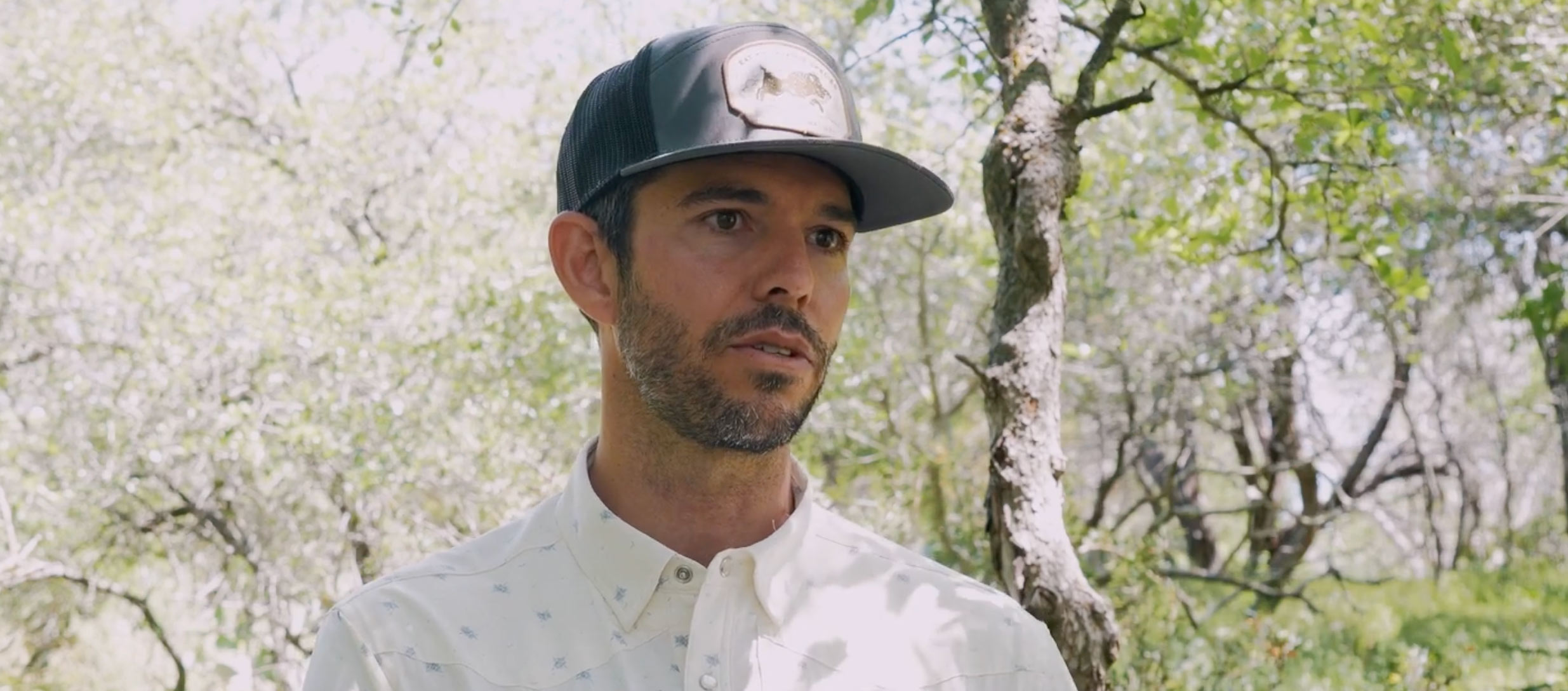
This week, amid the flurry of criticism around COP30, I came across an interview with Dr. Camila Moreno and her eloquent articulation of the problem with “carbon markets”—and now biodiversity and water credits, habitat banking, and who-knows-what-else markets. The issue, as she put it, is their separation from real-world stewardship of land and communities. Of course, this isn’t a one-size-fits-all statement. There are plenty of genuinely regenerative projects selling nature-based credits that are doing beautiful, necessary work. But I can’t shake a sticky discomfort when I hear world leaders talk about “building a natural marketplace.”
The projects aren’t the issue—it’s the commodification of nature itself, and the assumption that we can fix holistic, systemic problems—climate disaster, obesity, disconnection, precious mineral extraction, and so on—with fragmented, market-driven solutions. It’s as if we’re saying, “Now there’s a market for the Earth, and she will compete in our free marketplace for value.”
Earth does not compete for value.
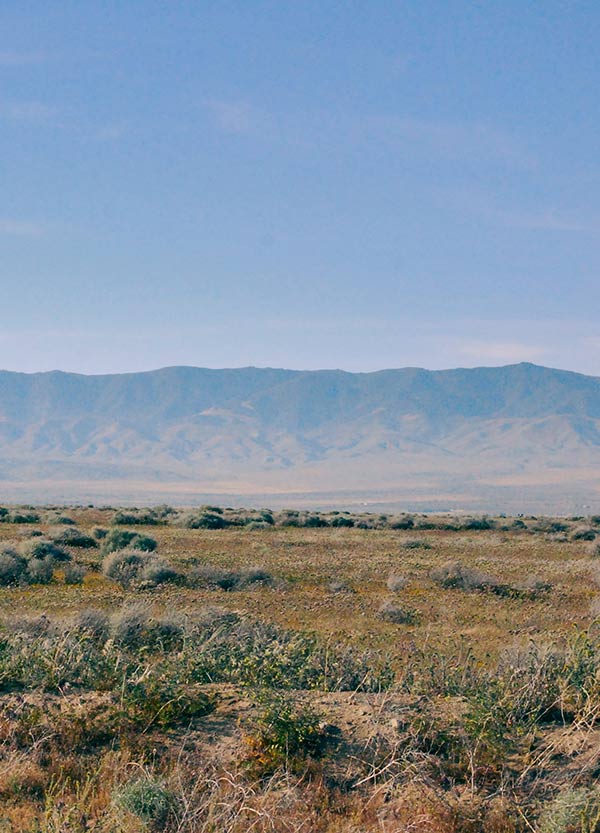
Later in the week, amid my usual doom spiral about how world leaders and mega-corporations market their “solutions,” I came across something that lifted me: an article about a small but mighty project led by Mad Agriculture to create veins of wild grasslands weaving through farmland in the heart of America. The first phase will begin in Wisconsin, in a delicate prairie ecosystem that has been decimated in many other parts of the country. The construction of this “Wild Grid” will connect remaining prairie areas, planting and nurturing biodiversity along the unproductive margins of farmland. The ultimate vision is to connect these wild spaces across the country—like veins and arteries breathing wild life back into our farming systems.
Unlike efforts to turn nature into a marketplace, grassroots projects like these require real community involvement. They work with, not against, farmers and producers, strengthen local ecosystems, and build biodiversity. It’s a bottom-up approach rather than a top-down one. The goal is to restore wild areas teeming with life, enriching the local ecology—including the farmland itself. If the goal were simply to sell biodiversity credits so corporations could meet their SBTI targets, we wouldn’t end up with the same outcome.
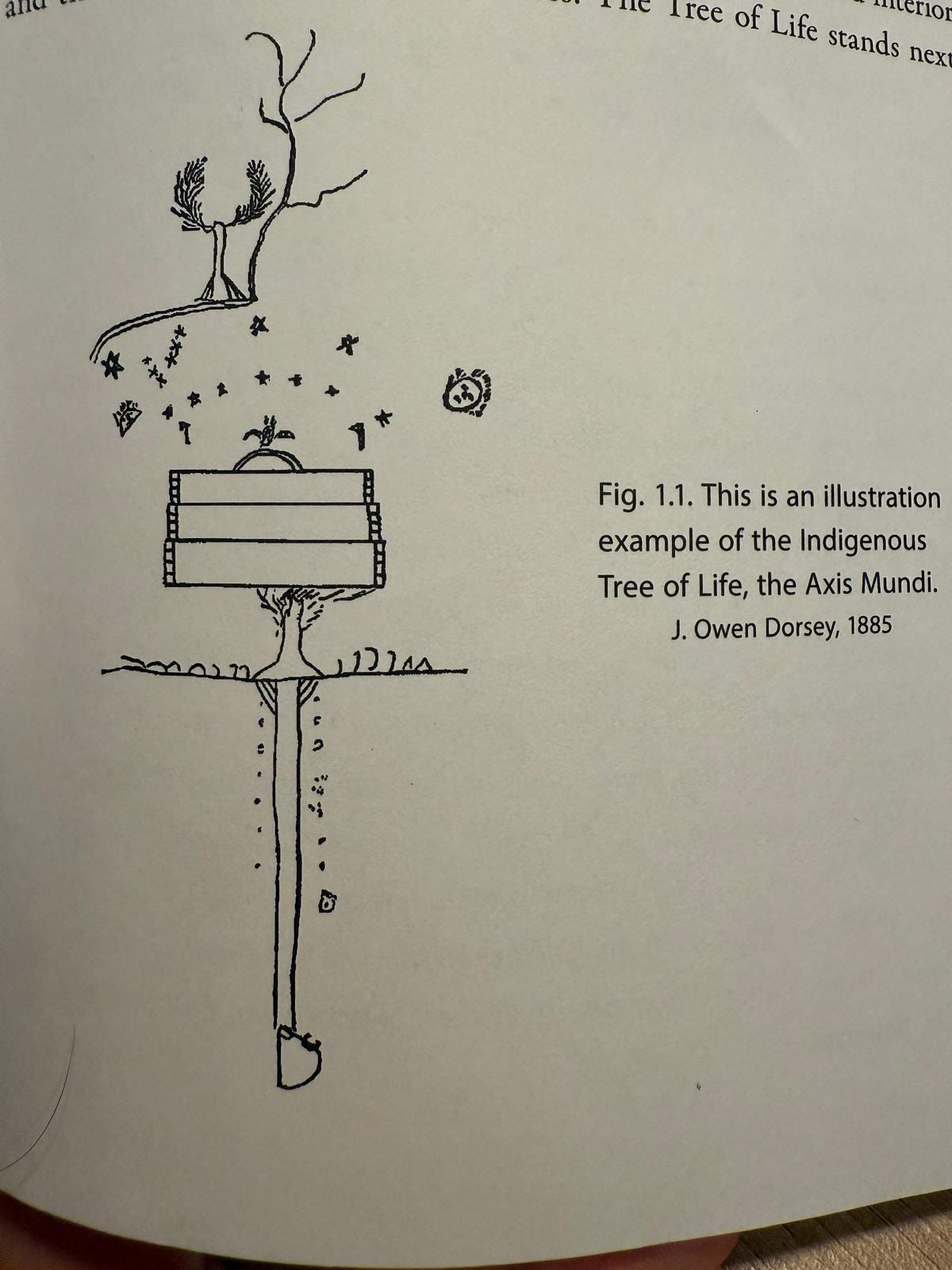
Historian, and my new friend Taylor Keen, in his book Rediscovering Turtle Island, writes about the Wazhazhe, or Osage, representation of the Tree of Life. This depiction (shown above) is unlike any I’ve seen. At the “top” of the image sits a sacred cedar tree beside a river; beneath the river is the morning star and constellations, and below that, a bird and an oak tree whose roots run extraordinarily deep. It reminded me of another expression of the idea “as above, so below”—
That root systems, with their ability to transmit life, nutritents, and information exist not only beneath us but above, below and all around us.
With love,
Paige
Sources
- Dr. Camila Moreno shot by Death in the Garden: https://www.instagram.com/deathinthegarden/
- Wilding Grid by Mad Agriculture:
- Rediscovering Turtle Island: A First Peoples’ Account of the Sacred Geography of America by Taylor Keen
- Illustration of Indigenous Tree of Life by J Owen Dorsey
Curated news, sizzling op-eds, and our latest podcast episodes every 2 weeks straight to your inbox.